Pouya Zargar

Neophyte's Journal;The Poisoned Scribes

“They told us belief was a bridge.
But no one said bridges could bleed
;
Lies swallow our reality
Its glare, omnipotent and malice
Dark flares and False Lights
Unwithering, burning its mark through the skin”

Neophyte, Eclipsed Fragments

Machinery of BeliefFrom Divinity to Power

POSTED October 13, 2025


From Pagan Fires to Monotheist Thrones

⚙️ Belief is an engine.

That engine takes a story and converts it into structure;

it turns ritual into rule, devotion into direction, and myth into mandate.
Cultures don’t merely have beliefs; they are organized by them.

In every epoch, divinity has offered a grand promise “the bridge between the mortal and the absolute – Damnation/Salvation” and with it, the most efficient lever humans have ever discovered for shaping behavior at scale.

The machine is elegant:
narrative/meaning → authority → obedience → action.

Whether you’re witnessing a city/state recalibrate its laws or a zealot justify an atrocity, the underlying circuitry is the same, though it comes in colors.

The sacred is never only metaphysical—it is infrastructural.

In The Divine Poison, this principle manifests as literal machinery—the Veil, the Hierarchs, and the Ashen Tome, each turning faith into energy, and obedience into law.

The world’s theology is not mere ornamentation; it is a working system of control that feeds upon devotion, misery, and guilt.
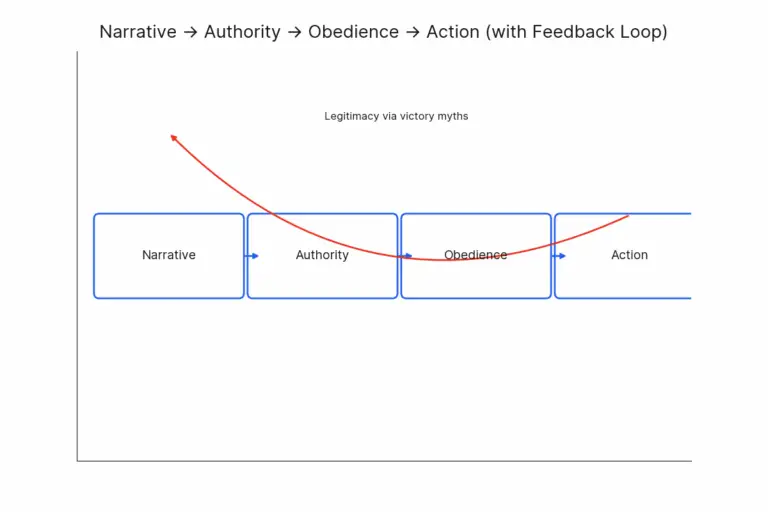
 
 
How sacred narratives scale into social action—and how victory myths legitimize the cycle.

The Authority Problem: Why Belief Rewires Conscience

🔱 Social psychology reminds us that ordinary people can be induced to perform extraordinary harm when an authority reframes harm as duty.


Stanley Milgram’s obedience experiments, however ethically fraught, revealed how quickly “should I?” becomes “I must” once commands are legitimized.
Philip Zimbardo’s Lucifer Effect showed how roles, uniforms, and environments recalibrate moral thresholds.

When religion supplies the authority and eternity amplifies the stakes, doubt becomes treason, and disobedience calls for damnation.

When commands acquire cosmic warrant, conscience is outsourced.
When rituals create roles, power creates permissions.
When salvation is conditional, compliance becomes virtue.

This does not mean faith is inherently malignant; it means that any absolute unmoored from accountability becomes combustible.


The line between sacral order and sacral violence is thinner than we like to admit—and it is drawn more by interpreters than by any sense of ‘the divine’.

In The Divine Poison: characters learns this firsthand:

When obedience becomes sacred, even thoughts become heresy.


The Consolidation of the Sacred: From Many Gods to One

∫ Pantheons distribute power; monotheisms consolidate it.
The political metaphor is unavoidable.

Polytheistic systems accommodate difference such as, regional cults, local gods, and syncretic blends because divinity itself is plural by design.

When monotheism rises, the godhead centralizes, and interpretive authority becomes a bottleneck.

Fewer gods, sharper boundaries.
Simpler creeds, stricter gatekeepers.
Unified mongers, a greater lie!

In the ancient Mediterranean, deities merged and migrated (Isis, Serapis, Mithras).
With the Abrahamic turn, doctrine and canon introduced orthodoxy and heresy—stability at the cost of plurality.

Whoever controls interpretation, runs the machine.

This consolidation echoes through The Divine Poison:

Where the fall of the Old Pantheon births an empire ruled by a single, final and righteous divinity, and by the ordained, who beseech  its reign.

 
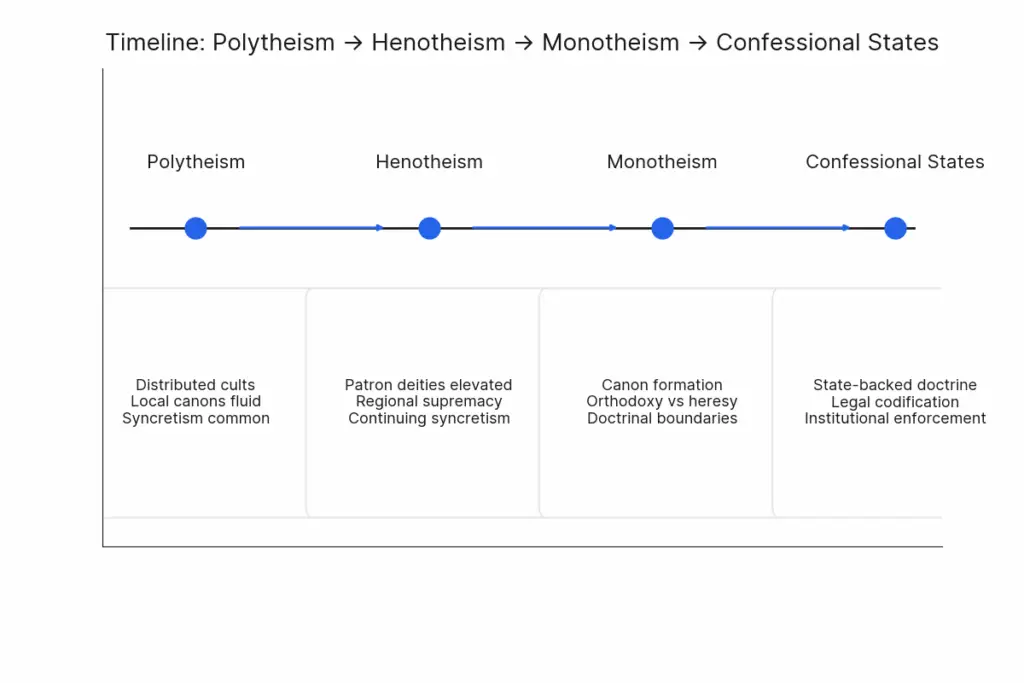
Polytheism → Henotheism → Monotheism → Confessional States (with notes on canon formation and heresy).

Interpretation as a Weapon: The Edit That Forges a Sword

⚔️ Scriptures do not wield themselves;
Priests, jurists, and monarchs wield them through sermons, laws, commentaries, and inquisitive courts.

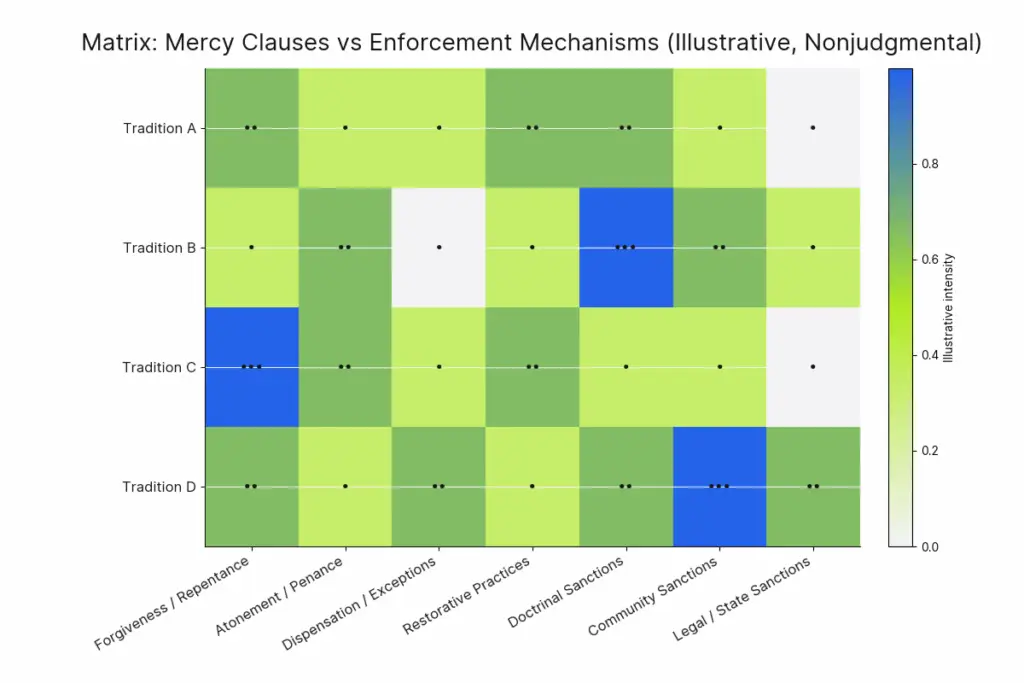
Some sacred texts include mercy clauses—compassion, humility, care for the stranger.
But when power sidelines those clauses, faith becomes a cudgel.

The “authorized” reading licenses action; the forbidden reading criminalizes dissent.
Ambiguous passages become strategic tools in the hands of the ambitious.
“Purity” rhetoric narrows empathy and expands permissible violence.

In the first book of The Divine Poison: Immergence; Threads of Ubiquity, even the act of reading becomes political, where each translation of the scripture changes the world it describes.


The Aesthetics of Holiness:  Corruptive Beauty

🕯️Fantasy and myth have long understood that sacred splendor and moral rot share a border.


Tolkien’s Númenor (Middle Earth) fell beneath the weight of its sanctified hubris; the Silmarils—artifacts of light—kindled centuries of blood.

Beauty does not inoculate against corruption; it magnifies it.
The more luminous the artifact, the darker the shadow its misuse can cast.

So too in The Divine Poison, where temples gleam with celestial light while their altars drip with blood.


The Behavioral Economics of the Sacred

📊 Evolutionary theory reframes belief not as delusion, but as adaptation.

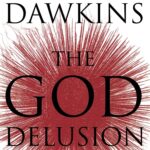
  • Richard Dawkins mapped altruism at the genetic level.

  • Boyd & Richerson modeled culture as evolutionary strategy.

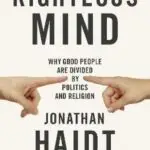
  • Jonathan Haidt revealed moral intuitions—sanctity/purity among them as heuristics shaped by survival, not pure logic.

Belief systems thrive not merely because they are true, but because they are efficient machines for regulating behavior: stabilizing groups, punishing defectors, rewarding the faithful.

The machinery operates as follows:

  1. Encode values as sacred.

  2. Bind identity to those values.

  3. Tie reward and punishment to obedience.

  4. Enforce narratives through ritual and symbol.

  5. Centralize interpretation to prevent drift.

  6. Deny the machine exists—call it “the way things are.” or “the will of the god.”

That denial is perhaps the most sacred act of all.

 
Matrix: Mercy Clauses vs. Enforcement Mechanisms across traditions (nonjudgmental comparison).

Further Reading

Contextual Threads

✴️ To understand how this framework manifests in fiction:


 ▷   https://www.youtube.com/@psharpz/videos

˖ ݁𖥔 ݁˖ https://www.instagram.com/psharpz/   

pouya zaragar consultant marketing advisor marketing strategy market research researcher academician data analyst